Most traders will begin their mastery journey by using a functional trade journal for their documentation. The combination of a detailed market journal enables traders to see patterns and identify mistakes which helps them develop better trading approaches. Trading journals become more useful for traders when they combine their journals with chart annotations. Journal observations made during trading enable traders to store vital points and date-based concepts that improve subsequent decision-making while revealing better understanding of previous deals.
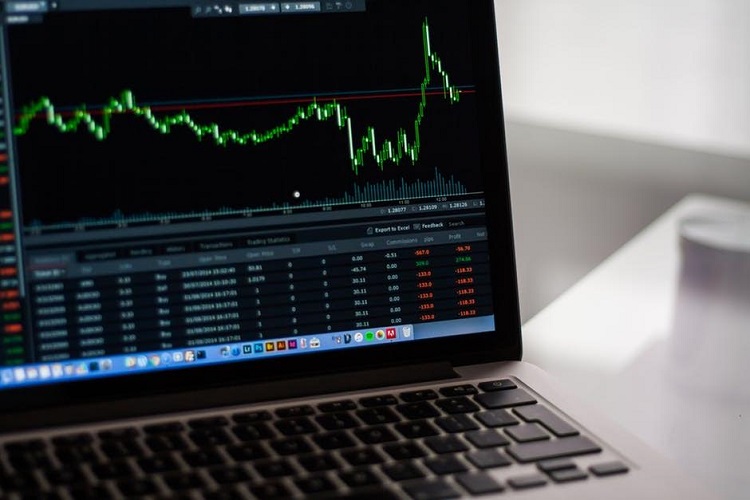
TradingView Charts provides an intuitive way for traders to add annotations, allowing them to focus on key price levels, identify specific entry and exit points, and highlight events that have shaped their trading strategies. By adding these annotations to trade journals, the value of every record is greatly improved, and the real-life understanding of these records is better reflected in market dynamics. This enables traders to keep a detailed record of their trades and to analyze previous trades for lessons learned. Consequently, note adding is a critical component and a learning hazard for both desirable and off-putting trades.
Drawing with annotations in TradingView Charts enhances a trader’s thought process, fostering a more structured and disciplined approach. They must write down the reasoning behind each trade, so that they can monitor how their analysis fared against what happened in the market thereafter. These physical notes are forms of learning positivity, encouraging self-monitoring and, most importantly, accountability; the two main ingredients to a holistic, sustainable success. By understanding the strengths and limitations of their analysis, traders can refine their strategies over time and ensure greater consistency in their decision-making.
This integration of TradingView Charts annotations with the other tools on the platform creates a more comprehensive view of a trader’s performance. For instance, indicators, drawing tools, or trend lines could then be coupled with annotations so that traders understand how their reasoning follows price action to get insight into their thought process. In this way, it reinforces strategy with real life, enabling traders to spot repeating trends and tweak their tactics accordingly for a more effective outcome.
Maintaining a written record of your trade enhances the dedication to lifelong learning. By utilizing a trade journal full of annotated charts, these soon get transformed from merely recording events to providing a forge for growth. These “annotated” charts narrate the path taken by a trader, capturing market peaks and valleys and serving as historical references for learning. It is also important to understand the emotional triggers that lead traders to make decisions while trading. Traders learn from their emotions and how their emotions will affect their trades by being aware of them, resulting in more disciplined trades and accounting for their emotions in future trades.
The best TradingView student you can be is one who shares their knowledge. The collaboration of information is the lifeblood of the trading community, with traders sharing both what they know as well as lessons learned from the field. With the sharing of annotated charts, traders are exposed to different strategy approaches that sharpen their own skills. Decentralizing this experience means constantly learning and improving, which benefits everyone in the financial chain of events.
Chart annotations are also important for long-term performance tracking. By looking back at past annotated charts, traders can track what worked and lesson learned regarding what needs tweaking. This practice, performed consistently, allows traders to build, sharpen, and adapt their strategies consistently. Overcoming past mistakes gives way to better decision making and creates a self-repeating cycle leading to habitual higher consistency performances.
When traders develop chart annotations as a cornerstone of their strategy, they take trade journals to far greater effectiveness. TradingView Charts is the premier documentation platform for critical trading experiences and lifelong feedback. The ability to track decisions made, tools used, and the participants involved in executing the trade allows traders to improve their future performance by refining their decision-making process. This methodical drive paves the way toward an organized trading career and long-term profitability.